تاخد فيديو موجود وبتبدّل اللي فيه من الناس، والحركة والكاميرا والخلفية بتضل زي ما هي.
النتيجة أولاً — قبل وبعد
نفس المشهد بالضبط: نفس الحركة، نفس الكاميرا، نفس الخلفية، نفس التوقيت. اللي تغيّر هو الناس بس.
الفيديوهات هون مضغوطة ومكتومة الصوت للعرض بس — النسخة الأصلية بدقة أعلى.
شو بيعمل Genjutsu بالضبط
Genjutsu بياخد فيديو موجود وبيستبدل فيه الأشخاص أو الأجسام بشخصيات من صور مرجعية تعطيها إياه — وبيحافظ على الحركة والكاميرا والخلفية زي ما هي تماماً.
يعني إنت ما بتولّد فيديو جديد من الصفر. إنت بتاخد مشهد جاهز وبتبدّل اللي فيه. وهاد بالضبط سرّ إنه بيطلع واقعي: الحركة والإضاءة والكوريغرافيا كلها أصلية.
- الوضع المستخدم: استبدال الأجسام/الشخصيات — hf_mult_replace_object
- الدقة: 480p أو 720p أو 1080p — أنا اشتغلت على الأعلى المتاح
اللي بتحتاجه قبل ما تبلّش
أ) فيديو مصدر واحد — اختار مشهد فيه:
- حركة واضحة ومستمرة (مشي، التفاتة، حشد بيتحرك)
- كاميرا ثابتة أو حركتها بسيطة — كل ما قلّت فوضى الكاميرا، قلّ تشوّه الوجوه
- الشخصيات مبيّنة وواضحة، مش ضلال أو بعيدة كتير
ب) صور مرجعية للشخصيات — هون النقطة اللي أغلب الناس بتغلط فيها. ما ترفع صورة سيلفي عادية. اللي اشتغل معي شغلتين:
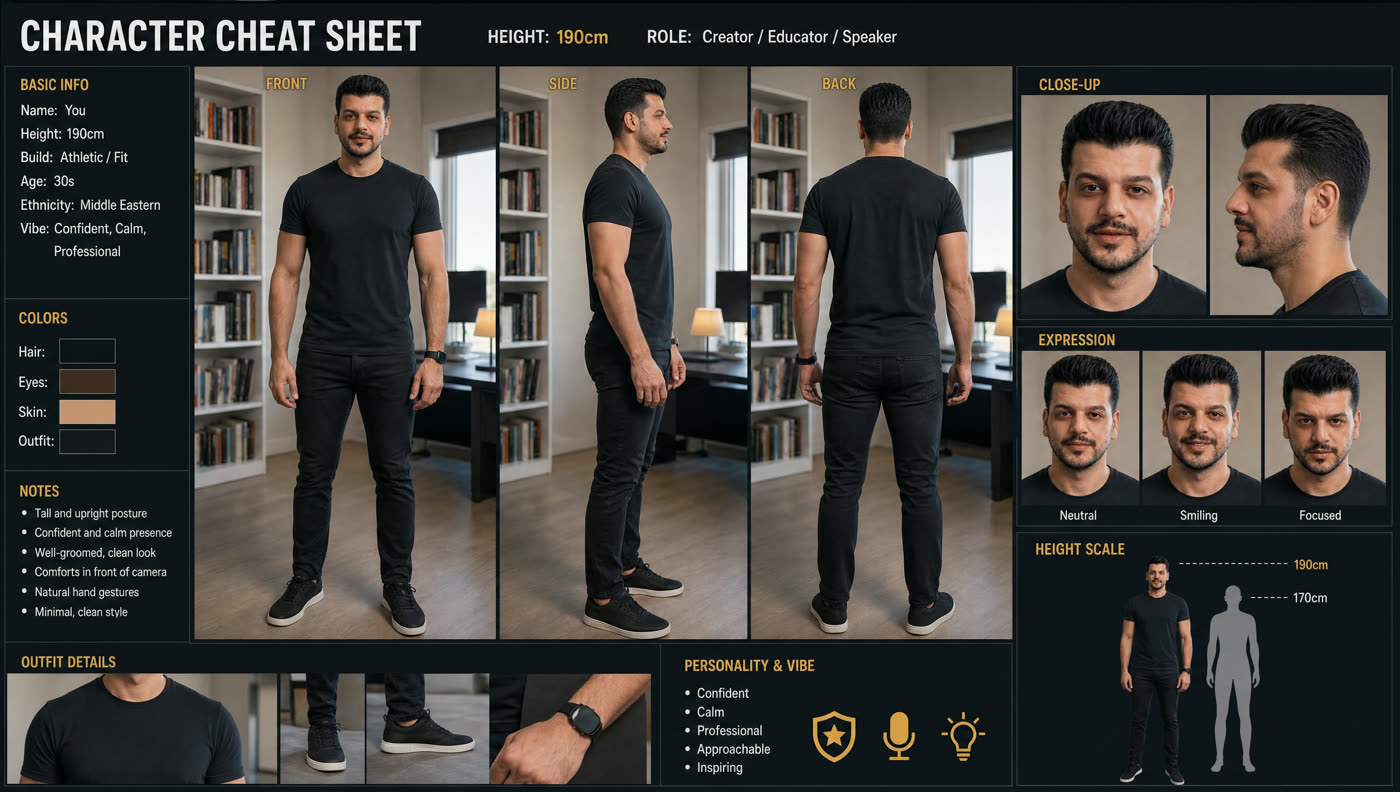
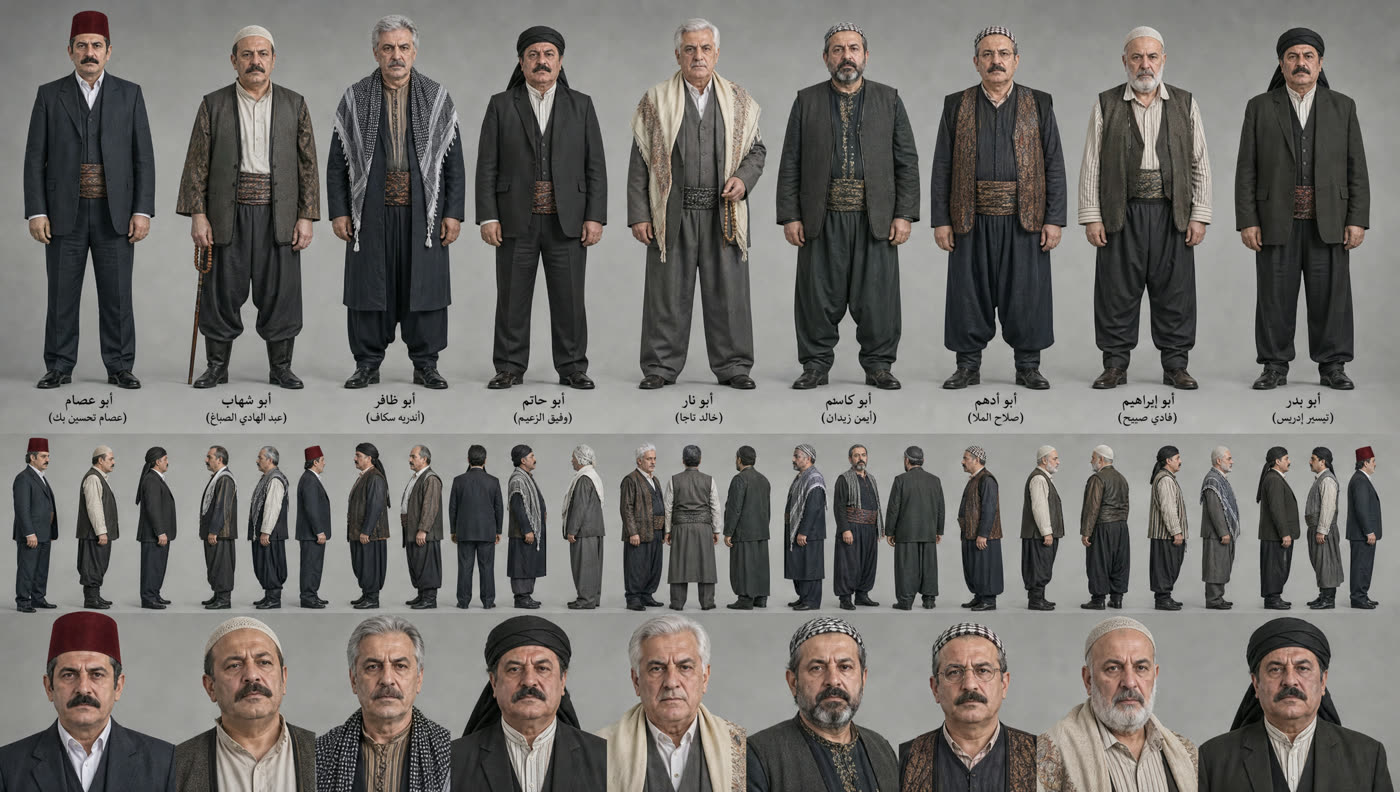
البرومت الكامل
هاد نص البرومت حرفياً. بدّل بس أرقام الصور إذا ترتيبك مختلف:
CHARACTER REPLACEMENT TASK

1. CENTER CHARACTER: Replace ONLY the single main character standing in the exact
center of the group with the character from @[Image 1](image_1). The center position,
body placement, scale, pose, movement, and screen position must remain consistent
with the original video.

2. SURROUNDING CHARACTERS: Replace EVERY OTHER PERSON surrounding the center
character with the character from @[Image 2](image_2). This includes ALL visible
people around the center character: front row, left and right sides, middle rows,
and background. Do NOT leave any of the original surrounding people unchanged.
Every surrounding person becomes the same @[Image 2](image_2) character, repeated
as identical copies.

3. IDENTITY LOCK: Keep each replacement character's face, hairstyle, skin tone, body
proportions, outfit, and color palette exactly as shown in the reference images, in
every single frame. No morphing, no identity drift, no blending between image_1 and
image_2.

4. MOTION AND TIMING: Preserve the original choreography frame by frame. Each
replaced character follows the exact same body movement, limb motion, head turn,
facing direction, walking speed, and timing as the original person they replace.
Do not add, remove, or re-time any motion.

5. CAMERA AND FRAMING: Keep the original camera angle, camera movement, focal
length, depth of field, and shot duration unchanged. Do not re-frame, crop, zoom,
or stabilize.

6. ENVIRONMENT: Keep the background, set, props, floor, and all non-human elements
100% identical to the original video. Only the people are replaced.

7. LIGHTING INTEGRATION: Match the original lighting direction, intensity, color
temperature, shadows, and reflections onto the new characters. Contact shadows and
ground contact must stay physically correct, so the characters look natively filmed
in the scene, not pasted on.

8. SCALE AND DEPTH: Respect the original perspective. Characters further from camera
stay smaller, and the occlusion order stays the same. Nobody floats, overlaps
incorrectly, or changes height relative to the original person.

AVOID: extra people added, people removed, duplicated or missing limbs, warped faces,
flickering identity, style change, cartoon or filter look, watermark, text overlay,
background alteration, slow motion or speed ramp.

OUTPUT: same resolution, same aspect ratio, same frame rate, same length as the source.
ليش البرومت مكتوب هيك — وهاد أهم جزء
كل بند فيه موجود لأنه بيمنع مشكلة محددة. إذا شلت بند، رح ترجعلك مشكلته:
| البند | المشكلة اللي بيمنعها |
|---|---|
| ١ + ٢ فصل المركز عن المحيط | بدون هالفصل، الموديل بيحط شخصيتك على الكل أو بيخربط بينهم |
| ٣ IDENTITY LOCK | الوجوه بتتغيّر وتهتز بين الفريمات — أكتر مشكلة مزعجة |
| ٤ MOTION AND TIMING | الموديل بيميل يضيف حركة من عنده أو يغيّر الإيقاع |
| ٥ CAMERA AND FRAMING | بيعيد تأطير المشهد أو يزوّم بدون ما تطلب |
| ٦ ENVIRONMENT | بتتغيّر الخلفية أو الأرضية وبتنكشف إنه AI |
| ٧ LIGHTING INTEGRATION | الشخصيات بتطلع «ملزوقة» فوق المشهد مش مصوّرة فيه |
| ٨ SCALE AND DEPTH | ناس بتطفو، أو البعيد بيصير أكبر من القريب |
| AVOID | القائمة السلبية — بتقص على أشهر التشوهات قبل ما تصير |
| OUTPUT | بيمنعه يغيّر الدقة أو الطول أو الـ fps |
تحذير مهم قبل ما تنشر
نصائح تختصر عليك محاولات
- ابدأ بمقطع قصير. جرّب على ٥–٨ ثواني قبل ما تحرق كريدت على ٣٠ ثانية.
- مشهد بحشد = أسهل مما تتوقع. لأن الوجوه البعيدة ما بتحتاج دقة عالية، والعين بتسامح.
- اللقطات القريبة كتير هي الأصعب. كل ما قرّب الوجه، كل ما بان أي خلل.
- ثبّت الملابس بالبرومت. الملابس أكتر شي بينزلق ويتغيّر بين اللقطات.
- إذا طلع شي غلط، عدّل بند واحد بس وأعد التوليد — إذا غيّرت كل شي مرة وحدة، ما رح تعرف شو اللي ظبط.
لازم أعطيه فيديو، ولا بيولّد من الصفر؟
ممكن أستبدل شخص واحد بس بدل الكل؟
ليش وجه الشخصية عم يتغيّر بالنص؟
شو أفضل دقة أشتغل فيها؟
الخلفية تغيّرت مع إني ما طلبت
مشهد الطيارة — والأهم منه: ليش هالبرومت بيطلع واقعي وغيره بيطلع «AI مكشوف».
اللي بتحتاجه — ٣ صور مرجعية
هالفيديو مبني على تعدد المراجع: بتعطي الموديل أكتر من صورة، وكل وحدة إلها دور محدد، وبتناديها بالبرومت برقمها.
| المرجع | شو بيمثّل | ليش ضروري |
|---|---|---|
| image_1 | شيت الشخصية — الشخص بزوايا متعددة (أمام/جانب/خلف)، لقطات قريبة، تعابير، بنفس الملابس | بدونه الوجه والملابس بيتغيّروا كل ما الشخصية تتحرك |
| image_2 | الموقع — لقطة جوية للمكان اللي بدك تطير فوقه | بيثبّت شكل الأرض والأفق والضباب بدل ما الموديل يخترع مدينة |
| image_3 | الطيارة — صورة واضحة للطيارة بنفس الزاوية تقريباً | بيثبّت الموديل والألوان والخطوط، وبيمنع الطيارة تتحوّل لشي تاني بنص المشهد |
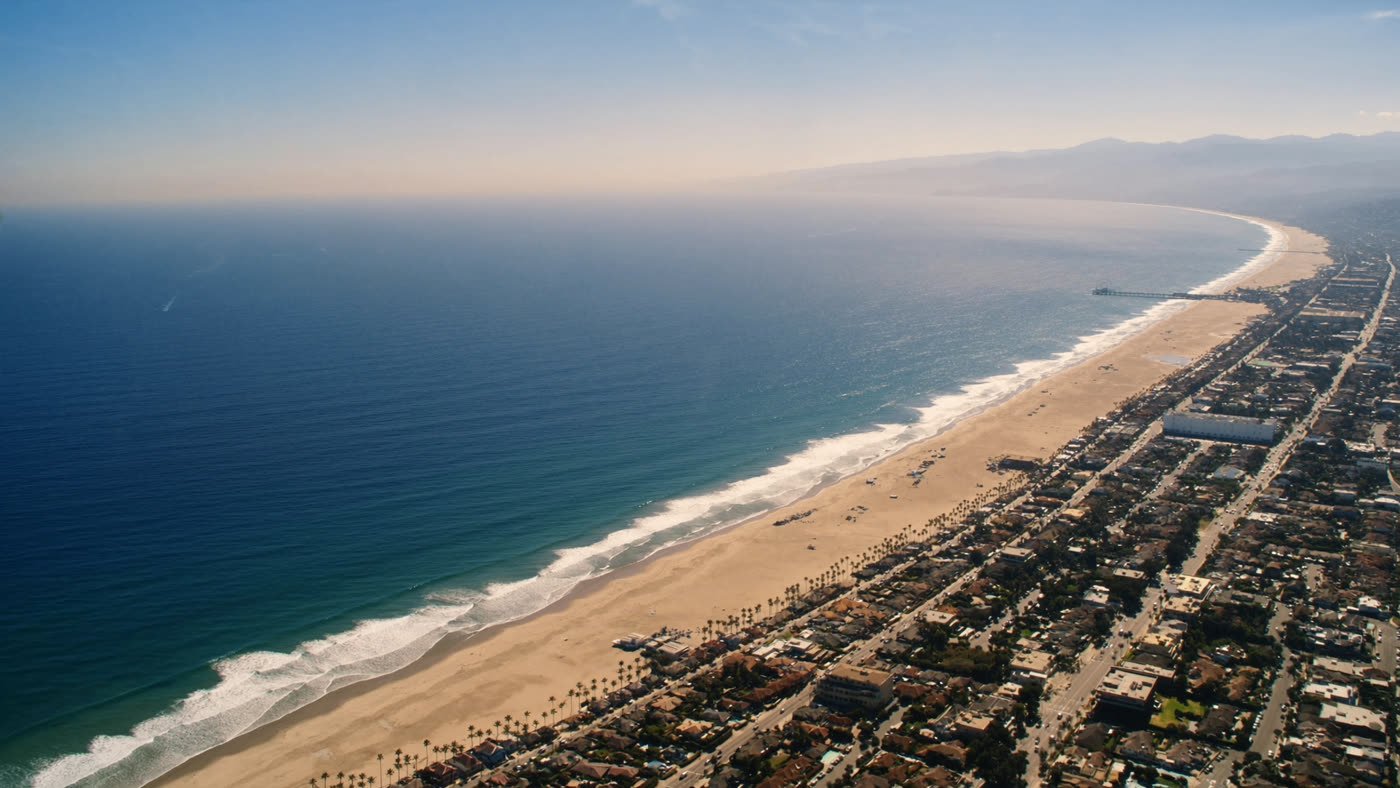
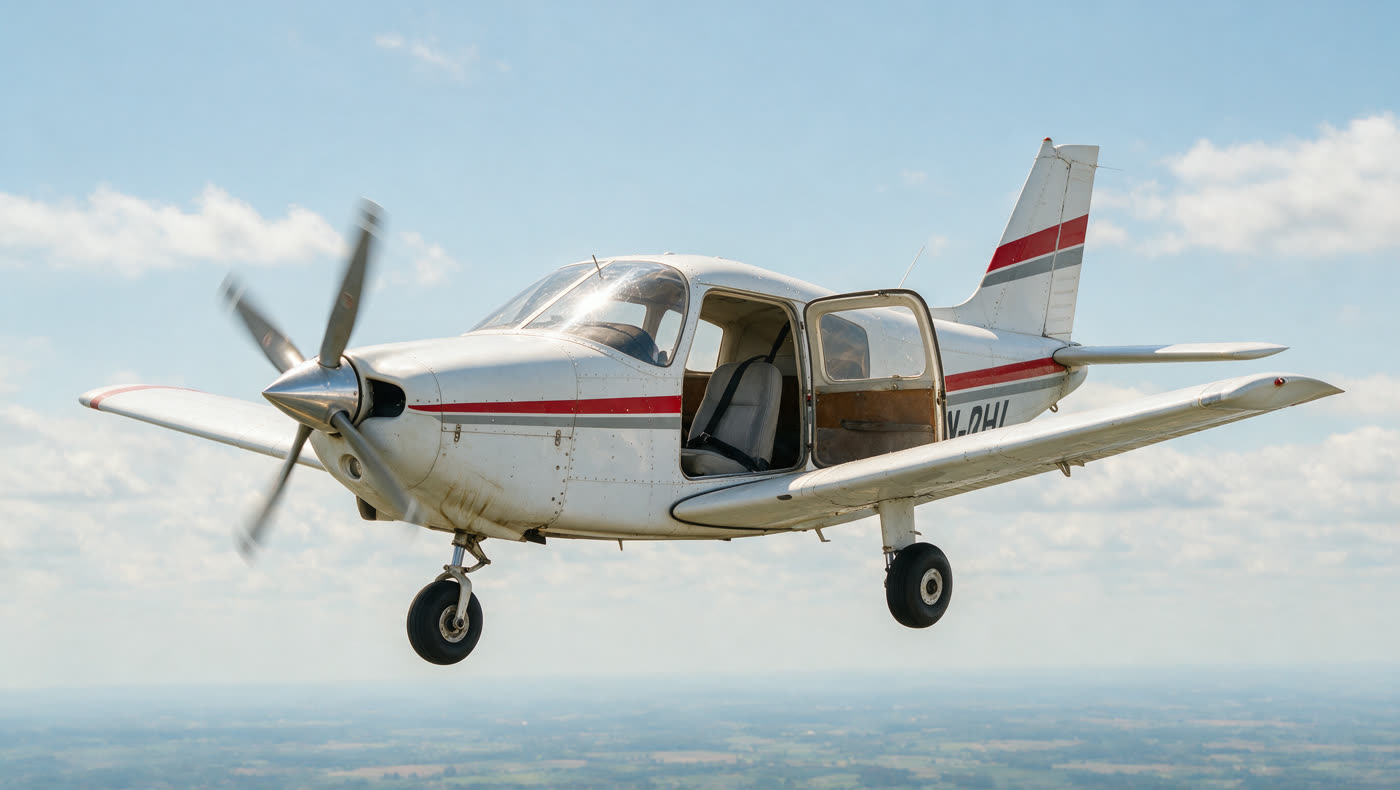
البرومت الكامل
انسخه زي ما هو، وبس بدّل أرقام الصور حسب ترتيب رفعك:
Ultra-realistic amateur iPhone 16 Pro video, filmed handheld by a person in a second
small aircraft, roughly 50 meters away from the subject. Authentic iPhone look at long
range: over-sharpened image, aggressive HDR, wide-angle edge distortion, deep focus,
digital noise in the shadows, faint lens flare and window reflection, heavy
rolling-shutter jello, visible heat shimmer and haze between the camera and the plane.

MOTION — CRITICAL: both aircraft are moving forward fast through the air. The subject
plane is NEVER static in frame. It drifts inside the shot — pulling ahead toward the
front of the frame, the operator losing it and panning to recover, the plane sliding
back toward center. It bobs and dips a few meters in the turbulent air, rolling slightly
left and right. The gap between the planes visibly breathes, 40 to 60 meters.

PARALLAX — CRITICAL: wisps of thin haze and small cloud fragments whip through the space
between the camera and the plane, streaking past the lens. The city grid directly below
rips past in violent horizontal motion blur. Mid-distance rooftops slide past slower. The
far horizon crawls almost imperceptibly. The propeller is a translucent disc. The airframe
vibrates, the open door judders against the airstream.

ONE CONTINUOUS UNBROKEN TAKE, no cuts, no angle changes. The camera holds a single fixed
side-profile position at roughly 50 meters and never orbits, never switches sides, never
closes the distance — only the zoom changes. Constant handheld shake amplified by distance,
the operator continually correcting and re-centering the fast-moving plane.

AUDIO: roaring wind and engine noise, phone microphone clipping. The voice of the person
filming: first stunned — "oh my god... oh my god!" — then, at the moment of the flip,
erupting into disbelieving laughter and shouting, voice cracking, breath audible over the roar.

AIRCRAFT: <<<image_3>>> take the aircraft exactly as shown in the reference. Single-engine
low-wing light plane, fixed tricycle gear, three-blade propeller blurred into a disc.
Slightly weathered paint, sun glare on the windshield. Flying fast and level at 700 meters.
Nobody else on board — the cabin is empty except for the subject.

LOCATION: <<<image_2>>> take the location exactly as shown in the reference. Racing above
the city at 700 meters. Below: the dense street grid ripping past in motion blur, rooftops
and water towers, cars as tiny streaks. Towers standing up through the haze, water glinting
in the sun. Bright midday sun, clear sky, real urban haze on the horizon.

CHARACTER: <<<image_1>>> the character sheet is the ONLY source of truth. Face, hair, build,
outfit, proportions and colour palette all come from the sheet. Do not invent, describe or
alter any physical detail. Lock the outfit exactly as shown, in every frame and from every
angle, including fully inverted. At this distance the face reads only as a general
impression — silhouette, outfit and posture carry the identity.

0.0–3.0s — WIDE SHOT. The plane sits small in frame, drifting forward and bobbing as the
city tears past beneath it. The right cabin door slams open against the airstream and holds,
juddering. The operator reacts off-camera and re-centers the plane with a small pan.

3.0–6.0s — SLOW ZOOM IN, starting exactly as the subject begins climbing out of the cockpit.
Long uneven pinch-zoom with reframing hesitation and heavy digital-zoom mush — soft, noisy,
smeared. The subject fights the airstream, one hand locked on the door frame, plants both
feet on the wing and rises to standing.

6.0–8.0s — Letting go of the door frame, the subject walks carefully out along the wing
toward the tip, arms slightly out for balance, leaning hard into the wind, each step
deliberate. The clothing hammers and ripples tight against the body in the airstream but
stays exactly as the sheet shows. The subject stops near the wingtip, plants both feet, and
sets up.

8.0–9.5s — The subject launches into a backflip: explosive jump straight up, knees tucking
tight to chest, arms wrapped around the shins, full backward rotation in the air above the
wing, body compact and controlled. Real gymnastic physics, natural arc, wind visibly
dragging mid-rotation. The outfit stays locked exactly as the sheet shows through the entire
rotation. The operator erupts — screaming and laughing in disbelief.

9.5–11.5s — Landing on both feet on the wing. The impact makes the aircraft lurch and wobble,
the wing dipping and the whole airframe shuddering. The subject overbalances backward, arms
flailing wide, genuinely about to fall off — then catches it, drops sharply into a deep
crouch with knees bent low and both hands down on the wing surface, weight recovered. A held
beat of real danger.

11.5–14.0s — SLOW ZOOM OUT begins. Staying low, the subject scrambles back along the wing,
hauls up against the wind and ducks into the cabin, pulling the door shut. Through the side
window, a turn toward the camera, a smile and a wave.

14.0–16.0s — WIDE SHOT again. The aircraft banks hard into a fast right turn, wings tilting,
and accelerates away over the city, visibly pulling ahead and shrinking as it outruns the
camera. The operator pans to follow and falls behind, still laughing.

Bright natural midday sunlight, no color grading, phone-camera contrast, real urban haze.
Photorealistic, natural physics, single continuous take, 4K, 24fps, authentic amateur
smartphone footage.
خارطة المشهد بالثواني — نفس الجدول اللي بالبرومت، بالعربي:
سرّ الواقعية — أربع أفكار بتشتغل بأي مشهد
هاد الجزء اللي بدي تاخده معك حتى لو ما عملت مشهد طيارة بحياتك.
أ) اوصف الكاميرا، مش بس المشهد
أغلب الناس بتكتب «فيديو سينمائي عالي الجودة» — وهاد بالضبط اللي بيخليه يبان AI. المشاهد الحقيقية اللي بتنتشر بالسوشال مصوّرة بجوال، ومليانة عيوب.
فبدل الكمال، اطلب العيوب:
over-sharpened · aggressive HDR · digital noise in the shadows · rolling-shutter jello · lens flare · heat shimmer · digital-zoom mush
العيوب هي البصمة اللي بتقنع العين.
ب) اوصف المصوّر، مش بس الكاميرا
في إنسان ماسك الجوال. خليه موجود:
- بيفقد الهدف وبيرجع يلحقه — losing it and panning to recover
- بيزوّم بتردد ومو ثابت — reframing hesitation
- بيصرخ وبيضحك وصوته بينكسر
ج) اعمل طبقات العمق — الباراللاكس
هاي الفكرة اللي بتفرق بين مشهد مقنع ومشهد مسطّح. حدّد لكل طبقة سرعة مختلفة:
| الطبقة | السرعة |
|---|---|
| ضباب وغيوم بين الكاميرا والهدف | بتمرق بسرعة جنونية |
| الأرض تحت مباشرة | بلَر أفقي عنيف |
| أسطح على بعد متوسط | أبطأ |
| الأفق البعيد | تقريباً ثابت |
هالتدرّج بالسرعات هو اللي بيخلق إحساس المسافة والسرعة الحقيقي.
د) لقطة واحدة متواصلة بدون قطع
ONE CONTINUOUS UNBROKEN TAKE, no cuts, no angle changes
سببين:
- كل قطع = فرصة تتغيّر فيها الشخصية أو الطيارة أو الإضاءة، وينكشف الموضوع.
- اللقطة الواحدة الطويلة بحد ذاتها بتحسّ «حقيقية» — لأن اللي بصوّر بجواله ما بيقطع.
هـ) بونس: جدول زمني بالثواني
بدل «يطلع عالجناح ويعمل حركة»، اكتب:
0.0–3.0s — ...
3.0–6.0s — ...
6.0–8.0s — ...
لما تحدد التوقيت، بتتحكم بالإيقاع. وبدونه الموديل بيوزع الأحداث على كيفه وبيستعجل أو بيبطئ بالغلط.
أخطاء شائعة
| الغلط | شو بيصير |
|---|---|
| وصف الشخصية بالنص مع إعطاء شيت بنفس الوقت | بيتضاربوا. إذا معك شيت، خلي البرومت يقول «الشيت هو المصدر الوحيد» وبس — وهاد بالضبط التعديل المعمول بالنسخة اللي فوق. |
| مشهد فيه أكشن كتير بوقت قصير | إذا حشرت ٦ أحداث بـ١٠ ثواني، رح تطلع فوضى. خلي الحدث الرئيسي واحد. |
| نسيان تثبيت الملابس | الملابس أول شي بينزلق ويتغيّر، خصوصاً بالحركات السريعة والدوران. |
| طلب «slow motion» | غالباً بيكسر إحساس الواقعية لأنه بيناقض فكرة «مصوّر بالجوال». |
قبل ما تنشر
جرّبها
البرومتين فوق جاهزين للنسخ. حضّر شيت الشخصية مرة وحدة منيحة — هو المشترك بين الطريقتين والأصل اللي رح يوفّر عليك أكتر شي — وابدأ بمقطع قصير.
وجرّب الأفكار الأربعة تبع الواقعية عمشهد تاني بالكامل، وبتشوف الفرق.
ابدأ من هون — higgsfield.aiبالتوفيق 👊
لو طلعت معك نتيجة حلوة، ابعتها — بحب أشوفها.